
Introduction
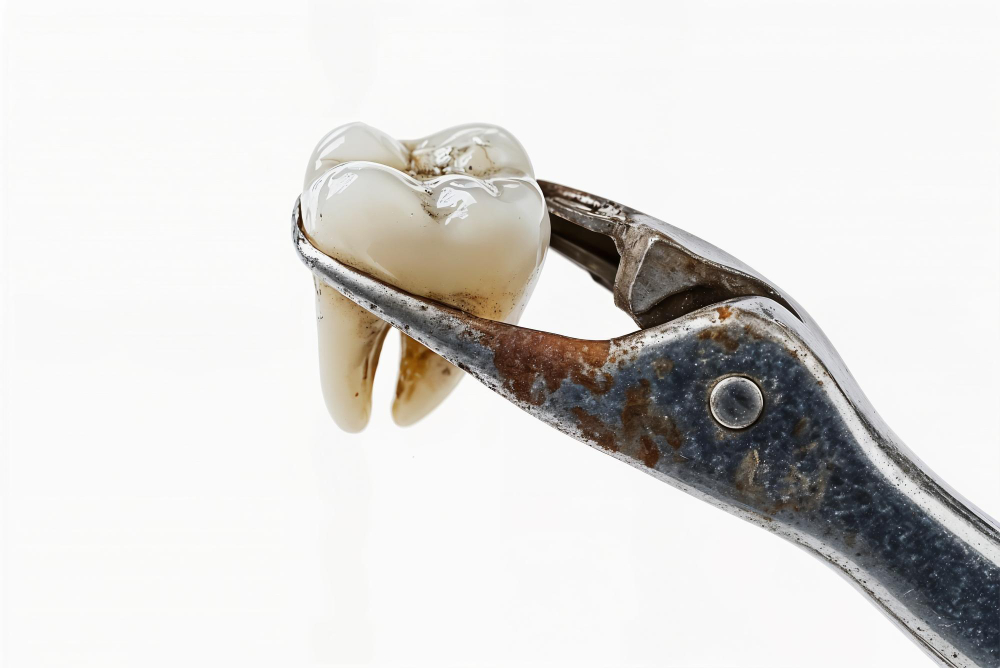
Tooth extraction means removing a tooth from its place in the mouth. Sometimes, this step is needed to keep your mouth healthy. For example, a dentist may suggest tooth extraction if a tooth is badly damaged or causing pain. Although the idea can sound scary, knowing what to expect can help you feel calm. In this blog, you will learn about tooth extraction, recovery tips, and ways to prevent it.
Symptoms and Signs That May Require Tooth Extraction
Some signs may show that you need a tooth extraction. Often, these symptoms can be uncomfortable. However, early care can help prevent bigger problems. Watch for these signs:
If you notice any of these symptoms, it is important to see a dentist soon. Early treatment can sometimes save the tooth.
Common Causes for Tooth Extraction
There are several reasons why a dentist may recommend tooth extraction. Sometimes, a tooth is too damaged to repair. Other times, removing a tooth can help your overall health. Common causes include:
For example, wisdom teeth often need removal if they cause pain or crowd other teeth. In some cases, removing a tooth can stop infection from spreading.
Diagnosis and Evaluation Process
Before a tooth extraction, your dentist will check your mouth carefully. First, they will ask about your symptoms and medical history. Next, they may take X-rays to see the tooth and surrounding bone. This helps the dentist plan the best way to remove the tooth. Sometimes, they may suggest other treatments first. However, if extraction is needed, your dentist will explain the process and answer your questions.
Tooth Extraction Procedure: What to Expect
Knowing what to expect after tooth extraction can ease your worries. The dentist will numb the area so you do not feel pain. Then, they will gently loosen and remove the tooth. Most extractions are quick and simple. However, some teeth may need a small cut in the gum. After the tooth is out, the dentist will place gauze to stop bleeding. You can usually go home the same day. Your dentist will give you instructions for care at home.
Recovery Tips and Aftercare
Proper care after tooth extraction helps you heal faster. Here are some helpful recovery tips:
If you notice heavy bleeding, fever, or severe pain, contact your dentist right away. Most people feel better within a few days. However, full healing may take a week or more.
Prevention: How to Avoid Tooth Extraction When Possible
While some extractions cannot be avoided, good habits can lower your risk. For example, daily brushing and flossing help keep teeth strong. Regular dental check-ups can catch problems early. Here are more tips to prevent tooth extraction:
By following these steps, you can protect your teeth and avoid extractions when possible.
Frequently Asked Questions (FAQs)
Conclusion
Tooth extraction can sound worrying, but it is a common and safe procedure. With the right care, most people recover quickly. However, prevention is always best. If you have tooth pain or questions about tooth extraction, consult a dentist Krishna Priya for personalized advice.